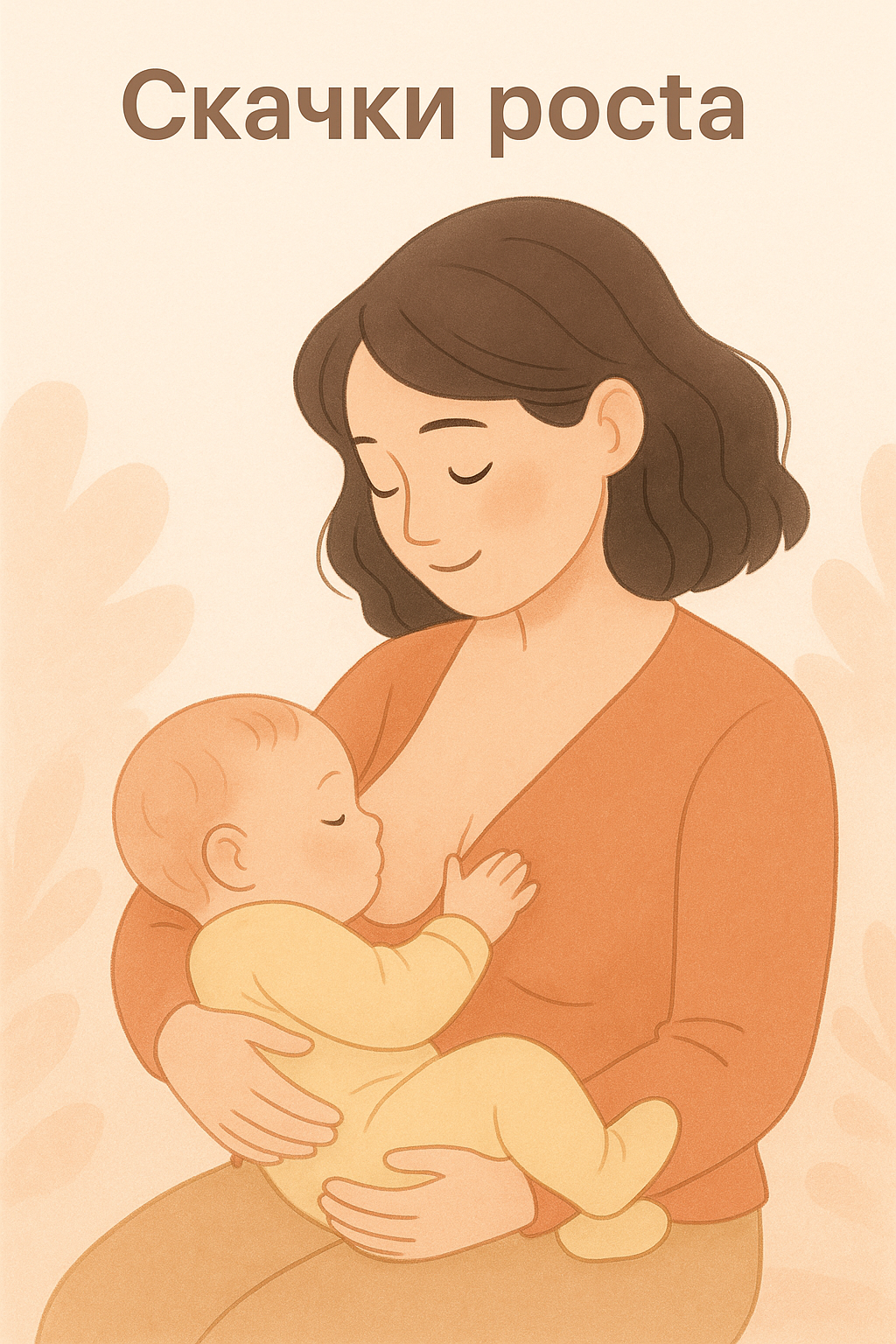
Growth Spurts
Understanding Growth Spurts
Learn about the age periods. Growth spurts often occur at 2-3 weeks, 6 weeks, 3-4 months, and 6 months.
Prepare for changes. During a growth spurt, your baby may eat more and ask for the breast or bottle more often.
During growth spurts, your baby may be more irritable and demand more attention.
Signs of a Growth Spurt
If your baby seems overly lethargic or is losing weight, be sure to consult a doctor.
How to Cope with Growth Spurts
Feeding
Increase the number of feedings. Follow your baby's cues.
Provide a comfortable feeding spot so you are both at ease.
Make sure you are latching the baby correctly to the breast; this will help avoid nipple problems and increase feeding efficiency.
Sleep
Create a calming sleep environment. Use quiet music or white noise.
Try to stick to a daily routine so your baby can easily get back into rhythm after the growth spurt.
Avoid using restraints or other devices to make your baby sleep longer. Contact a doctor if you have concerns.
Self-Care
Take care of your hydration and nutrition, especially if you are breastfeeding.
Find time to rest. Ask loved ones for help.
A short break, even for a few minutes, will help you regain your strength.
When to Seek Help
Do not ignore your instincts. If you feel that something is wrong, it's always better to consult with a pediatrician.
Conclusion
Growth spurts are a normal part of a baby's development. Be prepared for the changes and arm yourself with the necessary knowledge to support your little one during these important periods.
Based on guidance from the American Academy of Pediatrics, Mayo Clinic, and CDC. Always consult your healthcare provider for personalized medical advice.
Track every moment with Miray
Log feeds, sleep & growth in seconds — free to start.
