
Colic and Gas
Understanding Colic and Gas
Recognize the Symptoms
- Persistent crying for more than 3 hours a day
- Baby frequently arches their back or clenches fists
- Apparent discomfort and irritability after feeding
Steps to Soothe a Colicky Baby
Employ Soothing Techniques
White noise, such as from a fan or washing machine, can help soothe a baby.
Avoid excessive movement, like bouncing, to prevent overstimulation.
Dietary Adjustments for Breastfeeding Moms
Modify Your Diet
Keep a food diary to identify patterns between your diet and baby’s discomfort.
Formula Feeding Considerations
Assess and Adjust Formula
Consult with your pediatrician before switching formulas.
Techniques for Relieving Gas
Try Gentle Tummy Exercises
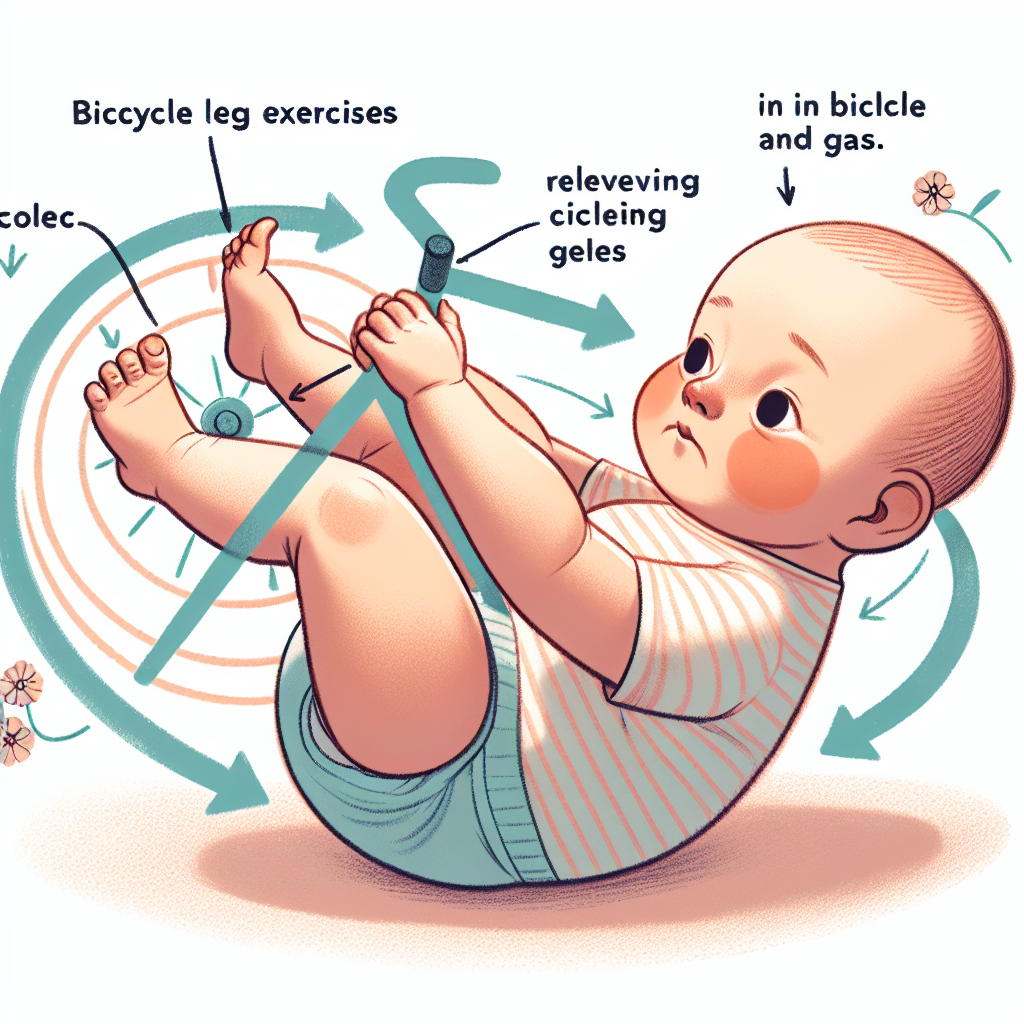
Burp the Baby Correctly
Sometimes a gentle tummy massage can help release trapped gas.
When to Seek Medical Help
Contact a healthcare provider if:
Severe and persistent crying doesn’t improve Vomiting or diarrhea accompanies gas and crying You notice blood in stools or poor weight gain
Preventive Measures
Establish a Routine
Use Proper Feeding Positions
Using a slow-flow bottle nipple can help control the amount of air baby swallows during bottle feeding.
Additional Support
Engage Professional Help
Sometimes knowing you are not alone can ease the stress of dealing with a colicky baby.
By understanding and implementing these strategies, you can help reduce your baby’s colic and gas issues effectively. Remember, it often improves with time, usually peaking at around 6 weeks and gradually improving by 3-4 months. Always consult your pediatrician with any persistent concerns.
Based on guidance from the American Academy of Pediatrics, Mayo Clinic, and CDC. Always consult your healthcare provider for personalized medical advice.
Track every moment with Miray
Log feeds, sleep & growth in seconds — free to start.
